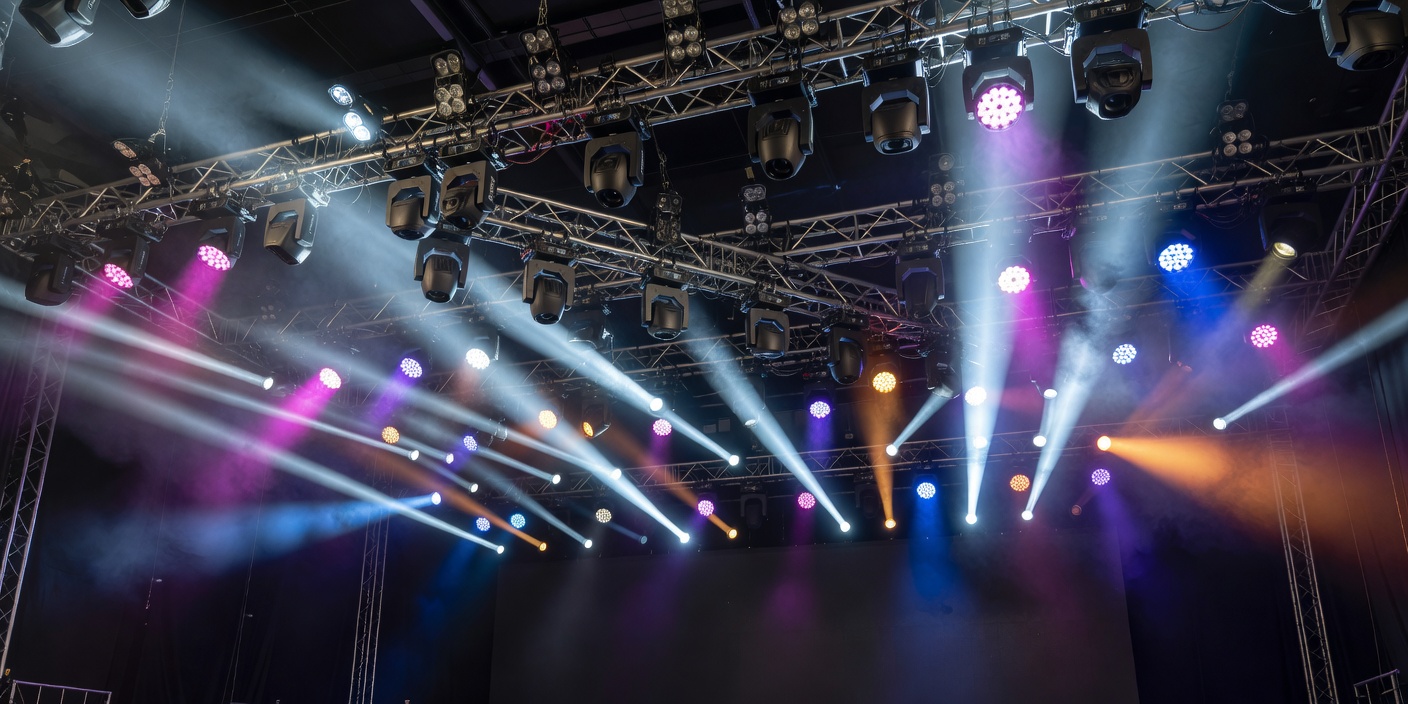
For decades, RS-485 serial-based DMX512 cable runs were the unchallenged backbone of stage lighting infrastructure. However, as modern moving fixtures expanded to require up to 60 DMX channels per unit, traditional 5-pin DMX cables reached their bandwidth limits.
The Rise of Ethernet Protocol: Streaming ACN (E1.31)
Streaming Architecture for Control Networks (sACN), formalized in ANSI E1.31, allows over 63,000 DMX universes to be transmitted across standard Cat6 Gigabit Ethernet lines. Unlike Art-Net, which heavily relies on broadcast packets, sACN native multicast distribution drastically reduces switch CPU overhead.
"Configuring IGMP Snooping on managed network switches is no longer optional in multi-universe stage environments; it is the cornerstone of signal stability."
Key Network Practices for Stage Technicians
- Dedicated VLAN Partitioning: Keep lighting control traffic strictly separated from Dante audio and public Wi-Fi networks.
- Redundancy via RSTP: Implement Rapid Spanning Tree Protocol (RSTP) to create fault-tolerant ring networks between front-of-house consoles and stage nodes.
- Universe Priority Fallback: Leverage sACN per-universe priority tags (0–200) to ensure immediate smooth takeover by backup control desks in case of console failure.
By migrating legacy 5-pin DMX runs to optical fiber backbones and localized sACN nodes, stage crews achieve lower latency, total redundancy, and rapid troubleshooting capability.